

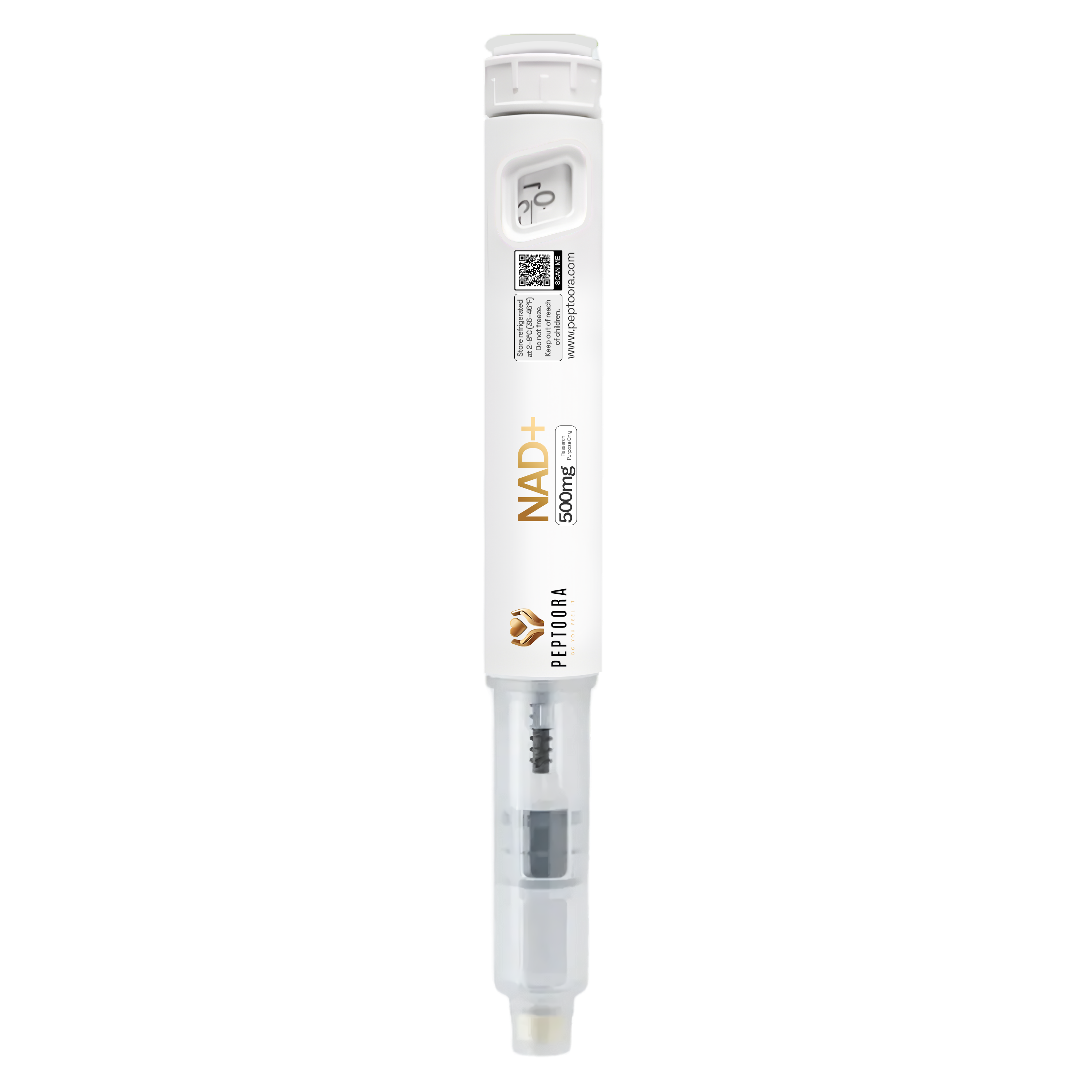
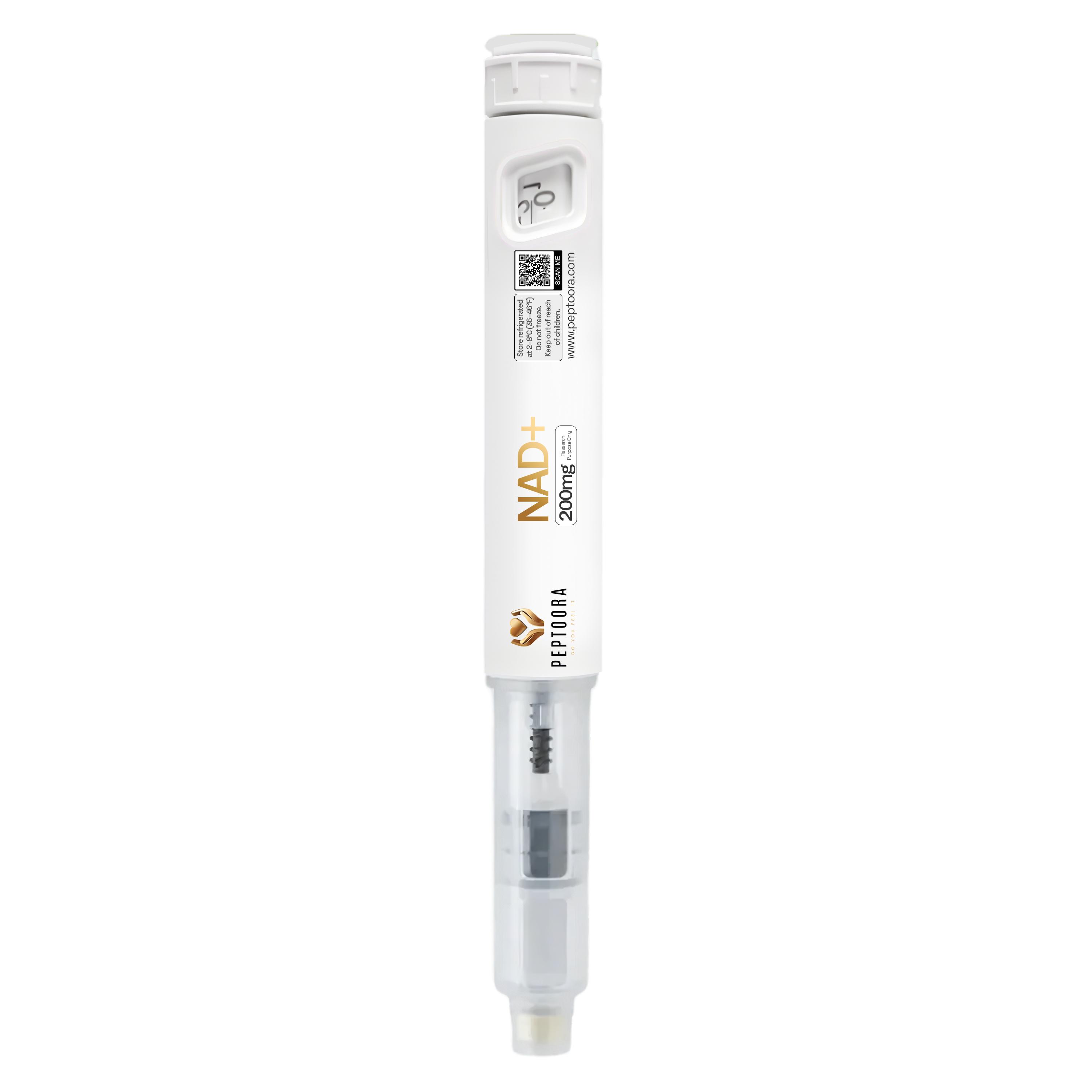
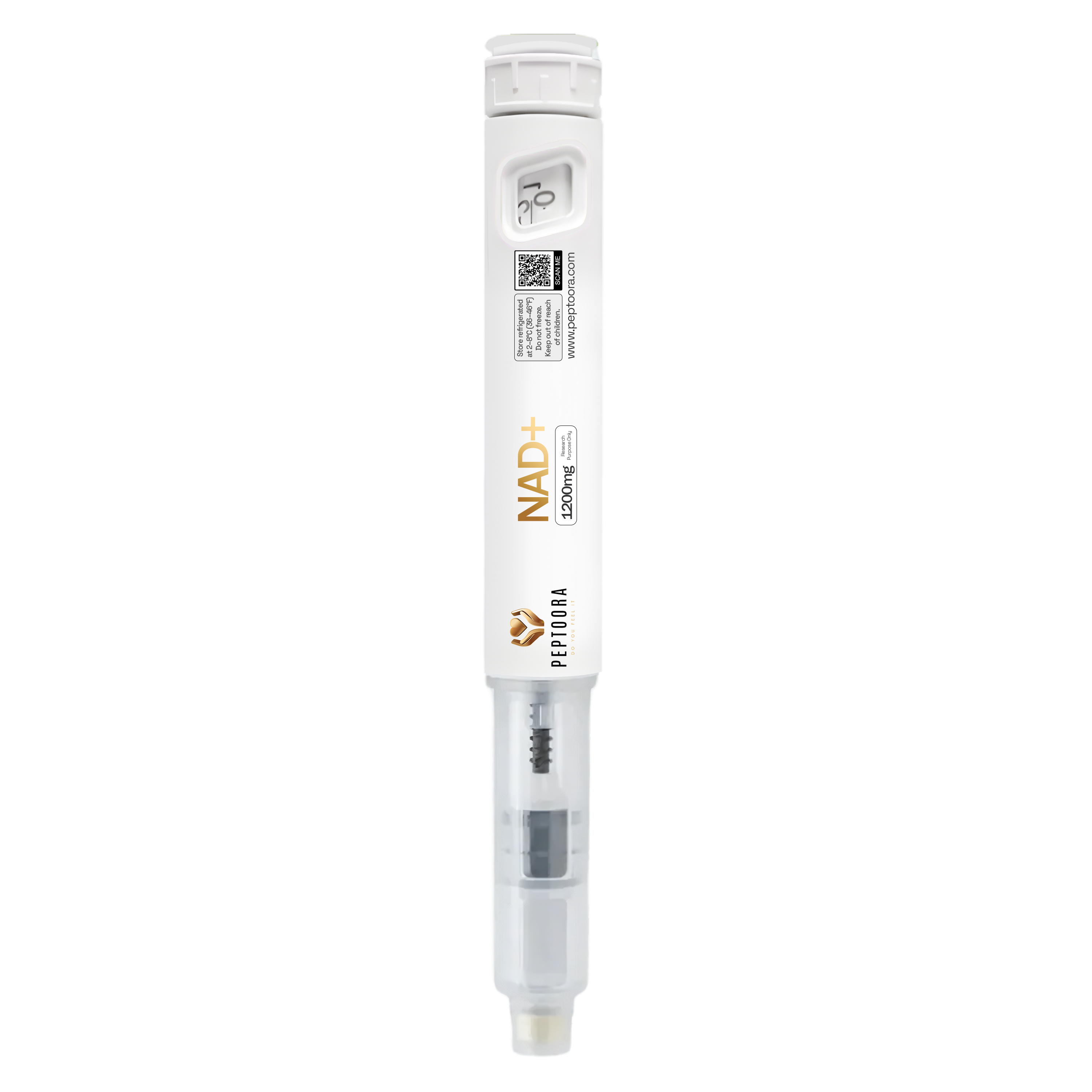
NAD+ (Nicotinamide Adenine Dinucleotide) | Pen
NAD+ is an endogenous pyridine nucleotide coenzyme central to cellular redox balance and mitochondrial energy metabolism. It functions as a required cofactor across core bioenergetic pathways and as a substrate for NAD⁺-dependent enzymes involved in cellular maintenance and stress-response signaling. This product is positioned for controlled settings where NAD⁺ availability is being studied in relation to metabolic efficiency, mitochondrial performance, and cellular resilience.
Supports
- Cellular energy production through redox cofactor function.
- Mitochondrial bioenergetics linked to ATP-generation processes.
- Cellular maintenance pathways associated with NAD⁺-dependent enzymes.
- DNA-repair signaling context via NAD⁺ substrate availability in models.
- Redox homeostasis associated with oxidative and inflammatory balance.
Description
Nicotinamide Adenine Dinucleotide (NAD+) is a pyridine nucleotide coenzyme fundamental to redox reactions, mitochondrial respiration, and cellular signaling. It exists in two interconvertible forms—oxidized (NAD⁺) and reduced (NADH)—and is indispensable for converting nutrient-derived electrons into usable cellular energy across glycolysis, the TCA cycle, and oxidative phosphorylation.
Beyond its metabolic role, NAD⁺ serves as a substrate for enzyme families such as sirtuins and PARPs, which are widely studied in contexts related to genomic maintenance, inflammatory regulation, and adaptive stress responses. Because NAD⁺ availability is tightly linked to metabolic state and cellular repair demand, it remains a core molecule in aging, neurobiology, and metabolic research.
NAD+ is positioned here as a standardized research-focused ingredient for advanced bioenergetic and cellular-resilience frameworks. Information on this page is provided for scientific and educational context and does not represent medical guidance or therapeutic claims.
Clinical Status
NAD+ is an endogenous coenzyme studied broadly across preclinical and human research contexts. While NAD-related interventions are an active area of investigation, NAD+ is not presented here as an approved therapeutic product, and outcomes can vary significantly by model, protocol, and context.
Evidence type:
Human RCT ✔ | Observational ✔ | Animal ✔ | In vitro ✔ | Regulatory approval ☐
Mechanism of Action
NAD⁺ functions as a primary electron carrier in cellular metabolism, enabling dehydrogenase reactions in glycolysis and the TCA cycle and transferring reducing equivalents to mitochondrial oxidative phosphorylation through NADH. The NAD⁺/NADH ratio is closely associated with metabolic flexibility and mitochondrial redox state in experimental models.
NAD⁺ is also consumed by NAD⁺-dependent enzymes, including PARPs (linked to DNA damage response) and sirtuins (linked to transcriptional regulation and mitochondrial adaptation). In multiple model systems, NAD⁺ availability is associated with shifts in stress-response signaling and bioenergetic efficiency, though observed effects depend on context and study design.
Benefits
-
Essential Cofactor for Cellular Energy Production:
NAD+ (Nicotinamide Adenine Dinucleotide) is a vital coenzyme required for ATP synthesis and mitochondrial respiration. It facilitates the transfer of electrons in redox reactions within the Krebs cycle and electron transport chain. Research consistently demonstrates that maintaining optimal NAD+ levels is essential for energy metabolism, cellular vitality, and mitochondrial function. -
Support for Mitochondrial Function and Bioenergetics:
NAD+ plays a central role in mitochondrial maintenance and oxidative phosphorylation. It supports the conversion of nutrients into cellular energy and helps preserve mitochondrial DNA integrity. Restoration of NAD+ levels in experimental models enhances ATP production, improves cellular endurance, and delays mitochondrial dysfunction associated with aging and metabolic decline. -
Activation of Sirtuins and Longevity Pathways:
As a required cofactor for sirtuin enzyme activation (SIRT1-SIRT7), NAD+ directly influences gene expression related to metabolism, stress resistance, and aging. Sirtuins regulate DNA repair, inflammatory balance, and mitochondrial biogenesis. Increasing NAD+ availability has been shown to extend lifespan and health span in multiple preclinical models. -
Improved DNA Repair and Cellular Resilience:
NAD+ is the substrate for PARP (Poly ADP-Ribose Polymerase), an enzyme responsible for repairing DNA damage. Adequate NAD+ levels enable efficient DNA repair, genomic stability, and cell survival following oxidative or environmental stress. This mechanism is central to ongoing research on longevity, genoprotection, and anti-aging strategies. -
Enhancement of Cognitive Function and Neuroprotection:
Research suggests that increasing NAD+ availability enhances neuronal energy metabolism and reduces neuroinflammation. By supporting mitochondrial function within neurons, NAD+ helps protect against cognitive decline, memory impairment, and neurodegenerative damage, making it a cornerstone in studies of brain health and aging. -
Reduction of Inflammation and Oxidative Stress:
Through the regulation of sirtuin and PARP activity, NAD+ modulates the expression of pro-inflammatory cytokines such as TNF-α and IL-6. This results in improved redox balance and reduced cellular inflammation, supporting tissue recovery, immune balance, and overall systemic homeostasis in metabolic and aging research. -
Improved Metabolic Efficiency and Insulin Sensitivity:
Experimental data show that higher NAD+ levels enhance glucose and lipid metabolism by activating AMPK and sirtuin pathways. This leads to improved insulin sensitivity, better mitochondrial oxidation, and stable energy utilization, making it valuable in research exploring obesity, metabolic syndrome, and type 2 diabetes. -
Support for Muscle Endurance and Physical Performance:
NAD+ is essential for muscle cell energy turnover and endurance. Studies demonstrate that replenishment of NAD+ improves mitochondrial density and oxidative capacity in skeletal muscle, resulting in better exercise performance, faster recovery, and resistance to fatigue in both animal and human research models. -
Maintenance of Liver and Cardiometabolic Health:
NAD+ replenishment has been shown to improve lipid metabolism and reduce hepatic fat accumulation. It supports mitochondrial β-oxidation, reduces oxidative stress in liver cells, and promotes vascular function, making it a central focus in studies on fatty liver disease and cardiovascular protection. -
Restoration of Circadian Rhythm and Cellular Homeostasis:
NAD+ levels oscillate with circadian rhythm and regulate the activity of clock-controlled genes. Maintaining sufficient NAD+ availability aligns metabolic and cellular processes with biological day-night cycles, promoting hormonal balance, improved sleep patterns, and optimized cellular repair in experimental circadian studies. -
Synergy with Mitochondrial Peptides and Antioxidants:
When combined with peptides such as MOTS-c, SS-31, or 5-Amino-1MQ, NAD+ amplifies mitochondrial biogenesis, antioxidant defense, and energy metabolism. This synergistic interaction supports experimental longevity models and highlights its importance as a universal cofactor in advanced metabolic optimization research. -
Potential in Longevity and Anti-Aging Research:
Declining NAD+ levels are a hallmark of aging, and replenishment has been observed to restore youthful cellular function in preclinical models. Its influence on mitochondrial health, DNA repair, inflammation, and sirtuin activation collectively positions NAD+ as one of the most important molecules under study for lifespan and health span extension.
| Study/model | Reported effect |
| Human clinical trials (IV NAD+ administration) |
↑ plasma NAD+ by 4-6×; improved fatigue and alertness scores
|
| Animal models (aged mice) |
Restored mitochondrial function and ↑ lifespan by 15-20%
|
| Cellular aging models |
Activation of SIRT1 and PARP1 → enhanced DNA repair and mitochondrial biogenesis
|
| Human observational studies |
Correlation between low NAD+ and metabolic dysfunction, insulin resistance
|
| In vitro neuronal cultures |
Protection from oxidative and excitotoxic stress; improved neurite outgrowth
|
| Metabolic disorder models |
↓ triglycerides and hepatic steatosis via AMPK activation
|
| Exercise recovery studies |
↑ muscle NAD+/NADH ratio and improved endurance performance
|
| Brain ischemia models |
↓ infarct size and enhanced neuronal survival post-injury
|
Pairs well with
In stock!
Complimentary shipping & returns
NAD+ (Nicotinamide Adenine Dinucleotide) | Pen
FAQs
Read our FAQs page to find more
Do I need a prescription to order?
No prescription is required to order. However, we recommend consulting a healthcare professional before starting any injectable therapy.
How should I store my products?
Store unopened products in a cool, dry place. Refrigerate as instructed after opening.
Are the peptide pens pre-mixed?
Yes. Our peptide pens are pre-mixed and ready to use. They are formulated for convenience and consistent dosing without the need for reconstitution.
Are these products suitable for everyone?
These products are intended for responsible adult use. Individual suitability varies depending on medical history, medications, and overall health status. Consulting a qualified medical professional before use is essential.
Are these products intended for medical treatment?
These products are not intended to diagnose, treat, cure, or prevent any disease. They are offered within the scope of applicable regulations and should be used responsibly.
If you have any questions, you are always welcome to contact us. We'll get back to you as soon as possible, within 24 hours on weekdays.
-
Shipping Information
Use this text to answer questions in as much detail as possible for your customers.
-
Customer Support
Use this text to answer questions in as much detail as possible for your customers.
-
FAQ’s
Use this text to answer questions in as much detail as possible for your customers.
-
Contact Us
Use this text to answer questions in as much detail as possible for your customers.